The question this rune answers
What does Eihwaz mean?
If you searched for the meaning of Eihwaz, you probably are not only collecting definitions. You may be looking for a symbol because you are between an old self and a new one and need something that can hold both grief and strength. In Vana Soul's modern reading, Eihwaz points toward yew: endurance, transformation, and the axis between endings and renewal. That makes it useful when you want a small object to make an invisible question visible. Think of it as a focusing mark rather than a prediction. It can sit beside a journal, rest against the skin as jewelry, or become part of a quiet morning check-in. The important part is not that the rune does the work for you; it is that the rune gives the work a shape you can return to.
Quick guide
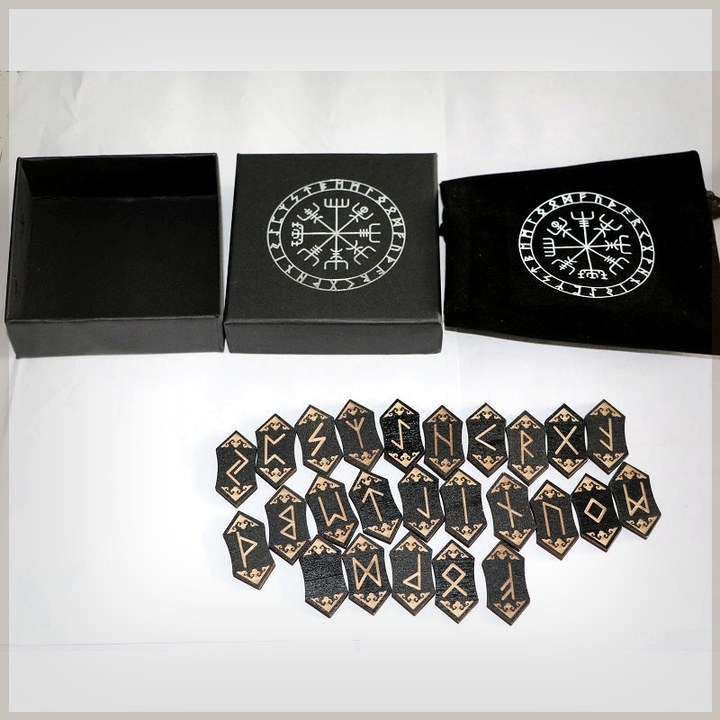
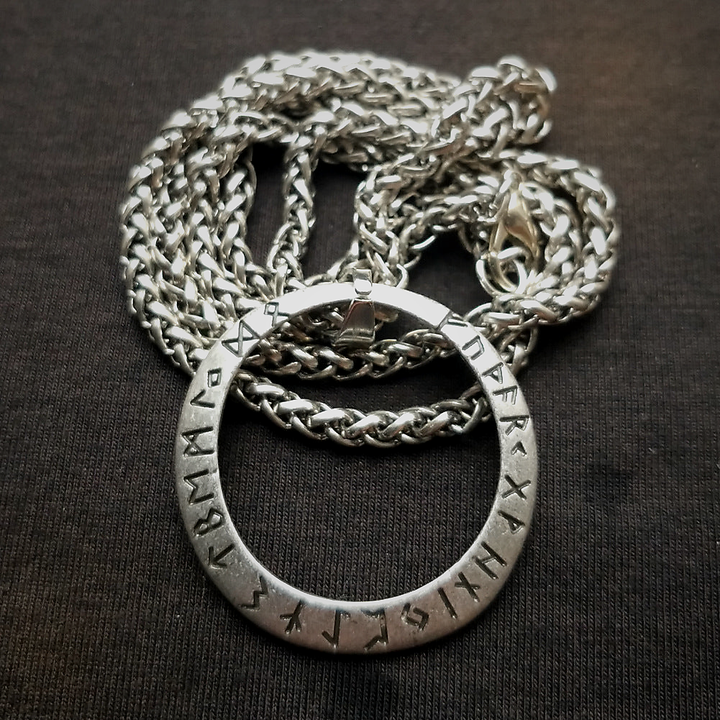
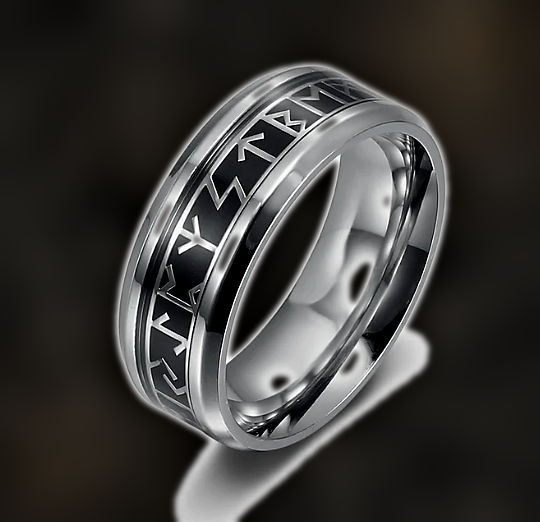
Best for: endurance, transformation, and the axis between endings and renewal. Use when: you need a visible reminder connected to Yew. Pair with: one grounded daily action, such as a journal note, a boundary, a conversation, or a pause before reacting. Do not use it as: a promise of certain results, a medical claim, or a replacement for practical choices. Choose this if: you are between an old self and a new one and need something that can hold both grief and strength. Best product fit: the Helga Rite Shadow Rune Set, because it turns the meaning into a daily wearable or ritual object without overstating the history.
History with care
Eihwaz belongs to the Elder Futhark sequence, the older runic alphabet used in Germanic-language inscriptions. Rune names and later rune poems help modern readers compare meanings, but they should be handled as evidence with limits, not as a complete instruction manual for every ancient wearer. Because the surviving record is fragmentary, a careful rune page does not turn every modern meaning into a settled ancient fact. It gives you the historical frame first, then clearly marks the personal or ritual reading as contemporary interpretation.
Modern meaning
In contemporary rune practice, Eihwaz is often read through endurance, transformation, and the axis between endings and renewal. For Vana Soul, that modern meaning is a personal ritual language: a way to name what you want to protect, grow, release, or remember while moving through normal life. This is why the same rune can feel different in different seasons. One person may use it as a reminder at work; another may use it to soften a decision, protect a relationship boundary, prepare for travel, close a chapter, or make a promise visible. Use Eihwaz through transitions that do not resolve quickly: grief, identity change, deep study, shadow work, or the quiet decision to keep standing. The symbol stays simple, but the question behind it can be deeply personal.
A small ritual
Hold the Eihwaz shape for one quiet breath. Ask: where do I need endurance, transformation, and the axis between endings and renewal today? Choose one action small enough to complete before the day ends. You might write one sentence, remove one distraction, send one honest message, or place the talisman where your hand naturally reaches. The rune becomes meaningful when the intention becomes behavior. If the practice starts to feel heavy, make it smaller; a useful ritual should return you to attention, not add pressure.
Wear or gift this rune
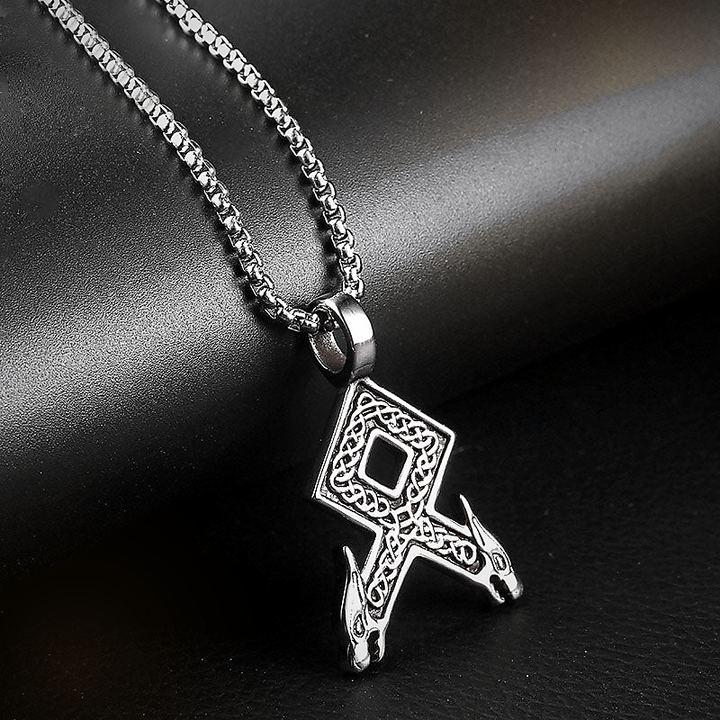
A Eihwaz talisman is a thoughtful gift for someone standing near this theme: Yew. Keep the note soft and personal, such as "I chose this as a reminder of what you are already carrying." That keeps the symbol intimate instead of making a fixed claim about fate. For a partner, it can mark a shared threshold. For a friend, it can say that you see the effort they are making. Choose this rune as a gift if the person is facing a new chapter, a decision, a relationship shift, travel, grief, or work pressure. For yourself, it can become a private anchor: small enough for daily life, but meaningful enough to notice when the day begins to scatter.