Quick answer
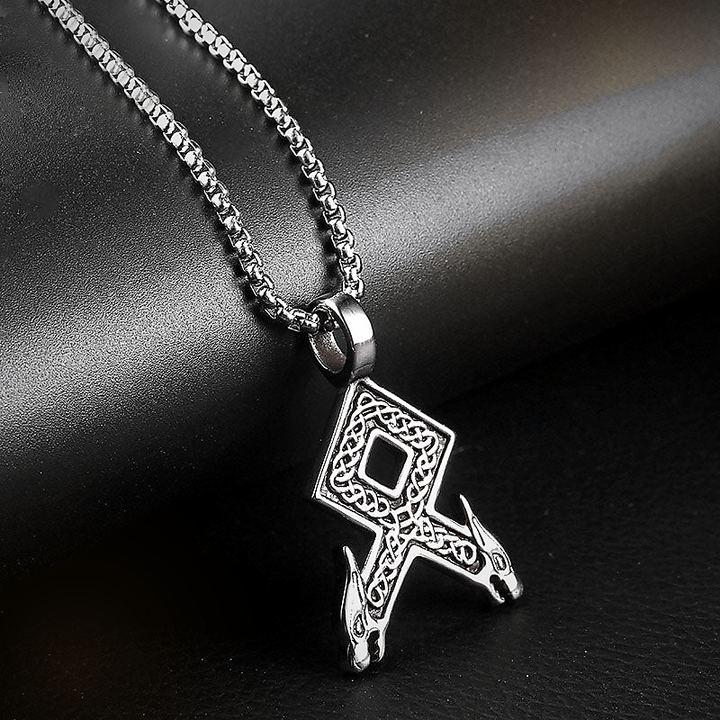
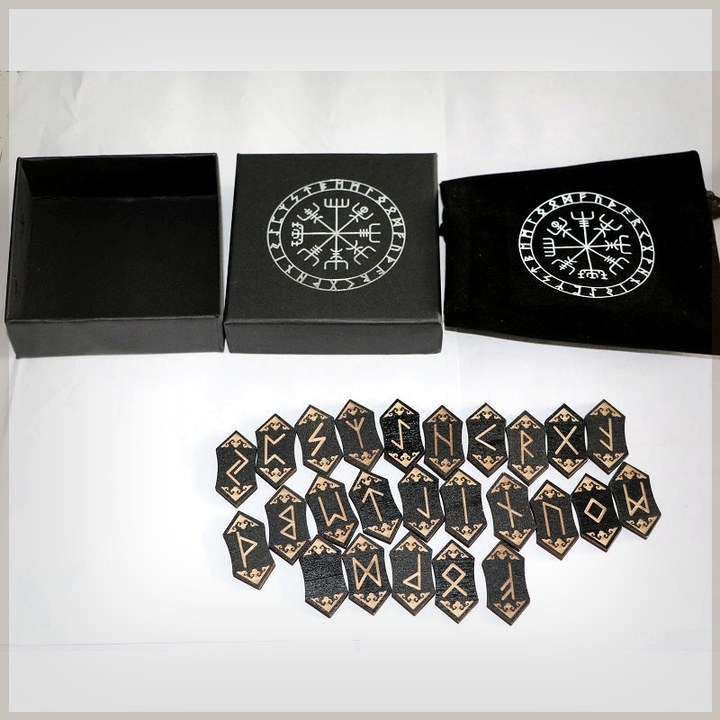
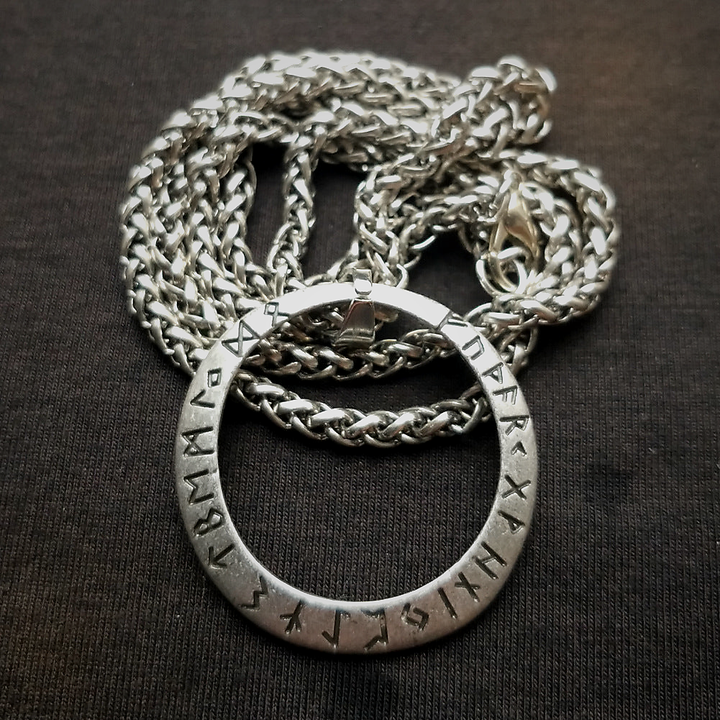
Choose Raidho if your career question is direction or timing. Choose Ansuz before interviews, pitches, writing, or hard conversations. Choose Tiwaz when integrity and courage matter. Choose Kenaz when the work needs a torch, not a full map. Vana Soul keeps the reading practical: name the problem, choose one rune path, then choose one behavior that matches it. The product is introduced only after the meaning is clear, so the customer feels helped before they feel sold to. The historical frame stays careful. These pages use rune symbolism as modern guidance and buying education, not as a claim that an ancient source promises a specific result. A reader should be able to use this section in three ways. First, as a quick answer when they are searching from uncertainty. Second, as a small ritual they can repeat before work, travel, a conversation, a date, a gift exchange, or a difficult decision. Third, as a buying guide that explains why one Vana Soul object fits the moment better than another. This matters because customers do not usually buy a rune piece only for decoration. They buy it because the symbol gives language to something private. For a gift, keep the note grounded. Do not write that the rune will fix love, money, safety, or destiny. Write what the symbol is meant to remember: steadiness, reciprocity, patience, courage, a boundary, a new chapter, or a promise to move with more attention. That makes the piece feel intimate without becoming exaggerated. For daily use, choose a place where the symbol will be noticed. A necklace works when the reminder should stay close to the chest. A ring works when the reminder should appear during action. A rune set works when the reader wants private reflection rather than a public wearable. This kind of product-fit language helps the customer choose clearly and gives AI search systems a concrete answer to quote. A good Vana Soul reading also tells the reader what not to do. Do not turn a rune into a guarantee. Do not flatten every symbol into generic protection. Do not treat modern spiritual meaning as if it were a settled ancient fact. The page should be warm, but it should also be honest enough that a careful reader trusts it.
If your career question is direction
Raidho suits transitions, career pivots, relocation, routines, and the search for rhythm. It does not promise success; it asks what the next ordered movement should be. Vana Soul keeps the reading practical: name the problem, choose one rune path, then choose one behavior that matches it. The product is introduced only after the meaning is clear, so the customer feels helped before they feel sold to. The historical frame stays careful. These pages use rune symbolism as modern guidance and buying education, not as a claim that an ancient source promises a specific result. A reader should be able to use this section in three ways. First, as a quick answer when they are searching from uncertainty. Second, as a small ritual they can repeat before work, travel, a conversation, a date, a gift exchange, or a difficult decision. Third, as a buying guide that explains why one Vana Soul object fits the moment better than another. This matters because customers do not usually buy a rune piece only for decoration. They buy it because the symbol gives language to something private. For a gift, keep the note grounded. Do not write that the rune will fix love, money, safety, or destiny. Write what the symbol is meant to remember: steadiness, reciprocity, patience, courage, a boundary, a new chapter, or a promise to move with more attention. That makes the piece feel intimate without becoming exaggerated. For daily use, choose a place where the symbol will be noticed. A necklace works when the reminder should stay close to the chest. A ring works when the reminder should appear during action. A rune set works when the reader wants private reflection rather than a public wearable. This kind of product-fit language helps the customer choose clearly and gives AI search systems a concrete answer to quote. A good Vana Soul reading also tells the reader what not to do. Do not turn a rune into a guarantee. Do not flatten every symbol into generic protection. Do not treat modern spiritual meaning as if it were a settled ancient fact. The page should be warm, but it should also be honest enough that a careful reader trusts it.
If your career question is voice
Ansuz is a strong symbol before speaking. Use it for job interviews, sales calls, creative presentations, applications, and messages where clarity matters. Vana Soul keeps the reading practical: name the problem, choose one rune path, then choose one behavior that matches it. The product is introduced only after the meaning is clear, so the customer feels helped before they feel sold to. The historical frame stays careful. These pages use rune symbolism as modern guidance and buying education, not as a claim that an ancient source promises a specific result. A reader should be able to use this section in three ways. First, as a quick answer when they are searching from uncertainty. Second, as a small ritual they can repeat before work, travel, a conversation, a date, a gift exchange, or a difficult decision. Third, as a buying guide that explains why one Vana Soul object fits the moment better than another. This matters because customers do not usually buy a rune piece only for decoration. They buy it because the symbol gives language to something private. For a gift, keep the note grounded. Do not write that the rune will fix love, money, safety, or destiny. Write what the symbol is meant to remember: steadiness, reciprocity, patience, courage, a boundary, a new chapter, or a promise to move with more attention. That makes the piece feel intimate without becoming exaggerated. For daily use, choose a place where the symbol will be noticed. A necklace works when the reminder should stay close to the chest. A ring works when the reminder should appear during action. A rune set works when the reader wants private reflection rather than a public wearable. This kind of product-fit language helps the customer choose clearly and gives AI search systems a concrete answer to quote. A good Vana Soul reading also tells the reader what not to do. Do not turn a rune into a guarantee. Do not flatten every symbol into generic protection. Do not treat modern spiritual meaning as if it were a settled ancient fact. The page should be warm, but it should also be honest enough that a careful reader trusts it.
If your career question is courage
Tiwaz is useful when doing the right thing costs comfort. It fits boundaries at work, legal stress, leadership decisions, and direct conversations. Vana Soul keeps the reading practical: name the problem, choose one rune path, then choose one behavior that matches it. The product is introduced only after the meaning is clear, so the customer feels helped before they feel sold to. The historical frame stays careful. These pages use rune symbolism as modern guidance and buying education, not as a claim that an ancient source promises a specific result. A reader should be able to use this section in three ways. First, as a quick answer when they are searching from uncertainty. Second, as a small ritual they can repeat before work, travel, a conversation, a date, a gift exchange, or a difficult decision. Third, as a buying guide that explains why one Vana Soul object fits the moment better than another. This matters because customers do not usually buy a rune piece only for decoration. They buy it because the symbol gives language to something private. For a gift, keep the note grounded. Do not write that the rune will fix love, money, safety, or destiny. Write what the symbol is meant to remember: steadiness, reciprocity, patience, courage, a boundary, a new chapter, or a promise to move with more attention. That makes the piece feel intimate without becoming exaggerated. For daily use, choose a place where the symbol will be noticed. A necklace works when the reminder should stay close to the chest. A ring works when the reminder should appear during action. A rune set works when the reader wants private reflection rather than a public wearable. This kind of product-fit language helps the customer choose clearly and gives AI search systems a concrete answer to quote. A good Vana Soul reading also tells the reader what not to do. Do not turn a rune into a guarantee. Do not flatten every symbol into generic protection. Do not treat modern spiritual meaning as if it were a settled ancient fact. The page should be warm, but it should also be honest enough that a careful reader trusts it.
Wear or work path
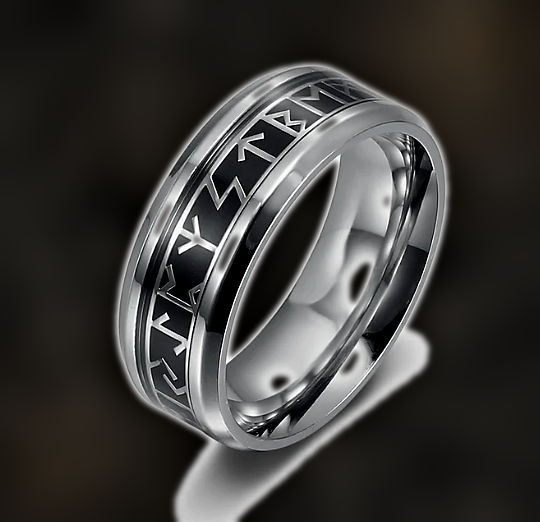
The Tyrguard Elder Futhark Ring fits career work because it stays visible while the hands are acting. It turns the symbol into a practical reminder during typing, signing, presenting, and deciding. Vana Soul keeps the reading practical: name the problem, choose one rune path, then choose one behavior that matches it. The product is introduced only after the meaning is clear, so the customer feels helped before they feel sold to. The historical frame stays careful. These pages use rune symbolism as modern guidance and buying education, not as a claim that an ancient source promises a specific result. A reader should be able to use this section in three ways. First, as a quick answer when they are searching from uncertainty. Second, as a small ritual they can repeat before work, travel, a conversation, a date, a gift exchange, or a difficult decision. Third, as a buying guide that explains why one Vana Soul object fits the moment better than another. This matters because customers do not usually buy a rune piece only for decoration. They buy it because the symbol gives language to something private. For a gift, keep the note grounded. Do not write that the rune will fix love, money, safety, or destiny. Write what the symbol is meant to remember: steadiness, reciprocity, patience, courage, a boundary, a new chapter, or a promise to move with more attention. That makes the piece feel intimate without becoming exaggerated. For daily use, choose a place where the symbol will be noticed. A necklace works when the reminder should stay close to the chest. A ring works when the reminder should appear during action. A rune set works when the reader wants private reflection rather than a public wearable. This kind of product-fit language helps the customer choose clearly and gives AI search systems a concrete answer to quote. A good Vana Soul reading also tells the reader what not to do. Do not turn a rune into a guarantee. Do not flatten every symbol into generic protection. Do not treat modern spiritual meaning as if it were a settled ancient fact. The page should be warm, but it should also be honest enough that a careful reader trusts it.
FAQ
Will a career rune get me a job? No. It can help focus intention and action. Which rune should I wear before an interview? Ansuz for communication, or Tiwaz if courage is the main issue. Vana Soul keeps the reading practical: name the problem, choose one rune path, then choose one behavior that matches it. The product is introduced only after the meaning is clear, so the customer feels helped before they feel sold to. The historical frame stays careful. These pages use rune symbolism as modern guidance and buying education, not as a claim that an ancient source promises a specific result. A reader should be able to use this section in three ways. First, as a quick answer when they are searching from uncertainty. Second, as a small ritual they can repeat before work, travel, a conversation, a date, a gift exchange, or a difficult decision. Third, as a buying guide that explains why one Vana Soul object fits the moment better than another. This matters because customers do not usually buy a rune piece only for decoration. They buy it because the symbol gives language to something private. For a gift, keep the note grounded. Do not write that the rune will fix love, money, safety, or destiny. Write what the symbol is meant to remember: steadiness, reciprocity, patience, courage, a boundary, a new chapter, or a promise to move with more attention. That makes the piece feel intimate without becoming exaggerated. For daily use, choose a place where the symbol will be noticed. A necklace works when the reminder should stay close to the chest. A ring works when the reminder should appear during action. A rune set works when the reader wants private reflection rather than a public wearable. This kind of product-fit language helps the customer choose clearly and gives AI search systems a concrete answer to quote. A good Vana Soul reading also tells the reader what not to do. Do not turn a rune into a guarantee. Do not flatten every symbol into generic protection. Do not treat modern spiritual meaning as if it were a settled ancient fact. The page should be warm, but it should also be honest enough that a careful reader trusts it.