What Are Runes? The Complete Elder Futhark Guide
Before a single rune is cast, worn, or carved, there is a story — one of sacrifice, silence, and ancient power. Understanding what runes truly are changes how you hold them.
The Origin: Odin's Sacrifice
According to Norse mythology, runes were not invented. They were discovered. Odin, the Allfather, hung himself on Yggdrasil — the great World Tree — for nine days and nine nights, wounded by his own spear, without food or water. At the end of his ordeal, he looked down into the depths and the runes revealed themselves to him.
"I know that I hung on the windy tree, nine long nights, wounded by a spear... I peered downward, I took up the runes, screaming I took them — then I fell back."
— Hávamál, stanza 138
This is not simply a legend. It encodes something essential: runes are symbols of hidden truth, earned through effort, silence, and willingness to go to the edge of understanding.
What Is the Elder Futhark?
The Elder Futhark is the oldest and most complete runic alphabet, consisting of 24 symbols used by Germanic and Scandinavian peoples from roughly the 2nd century CE to the 8th century CE. The word "Futhark" comes from the first six runes: F-U-Th-A-R-K (ᚠ ᚢ ᚦ ᚨ ᚱ ᚲ).
Unlike modern alphabets, each Elder Futhark rune is both a letter and a concept. The rune ᚠ (Fehu) is the letter F, but it also means cattle, wealth, and the fire of creation. When you work with runes, you are working with both language and philosophy simultaneously.
The earliest confirmed runic inscriptions date to around 160 CE (Vimose comb, Denmark). By the Viking Age, runes appeared on memorial stones, weapons, jewelry, and amulets throughout Scandinavia and Northern Europe.
The Three Aettir: How Runes Are Organized
The 24 Elder Futhark runes are divided into three groups of eight, called Aettir (singular: Aett, meaning "family" or "group of eight"). Each Aett is associated with a Norse deity and governs a distinct phase of human experience.
Freyr's Aett — The World of Matter
The first eight runes (ᚠ ᚢ ᚦ ᚨ ᚱ ᚲ ᚷ ᚹ) govern the material world: wealth, strength, protection, communication, journeys, creativity, exchange, and joy. These are the forces that shape everyday life.
Heimdall's Aett — The World of Trials
The second eight (ᚺ ᚾ ᛁ ᛃ ᛇ ᛈ ᛉ ᛊ) represent challenges, disruption, patience, and transformation. Named after Heimdall, the watchman of the gods, these runes describe what must be endured before growth is possible.
Tyr's Aett — The World of Becoming
The final eight (ᛏ ᛒ ᛖ ᛗ ᛚ ᛜ ᛞ ᛟ) point toward justice, spiritual maturity, heritage, and completion. Named after Tyr, the god of justice, these runes mark the culmination of a life well-lived.
How Runes Are Used Today
Modern rune practice has three primary forms:
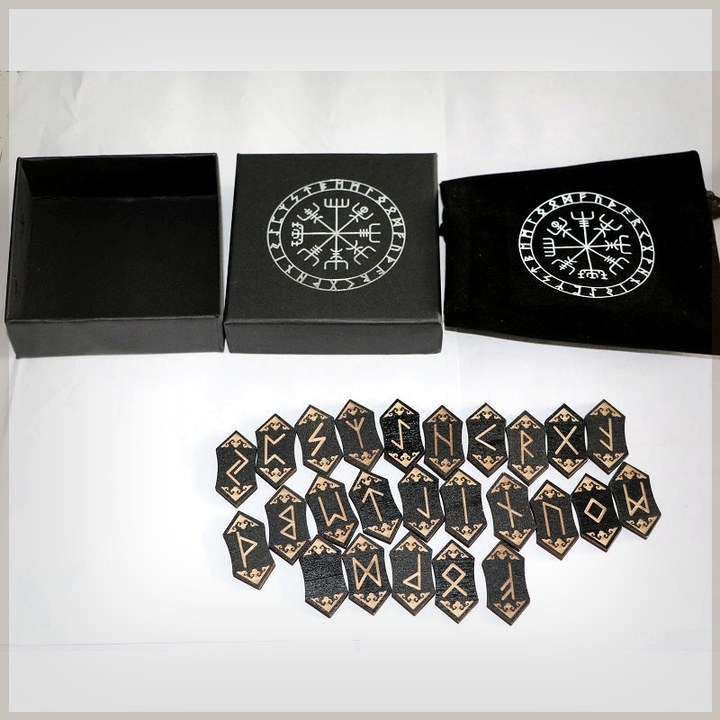
- Casting (Divination): Rune stones are drawn or scattered to receive guidance. Unlike tarot, runes are physical objects — you hold them, feel their weight, and let the one that "calls" to you speak. Learn the four casting methods →
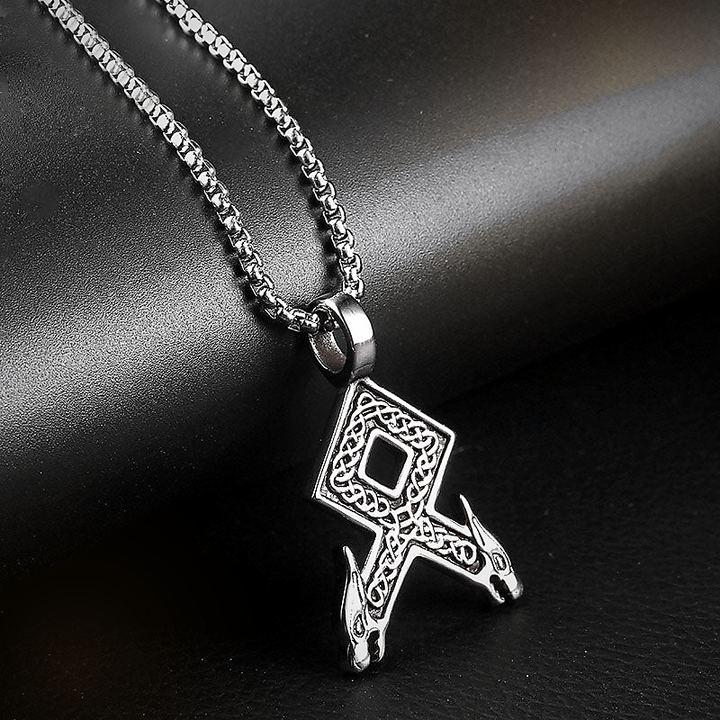
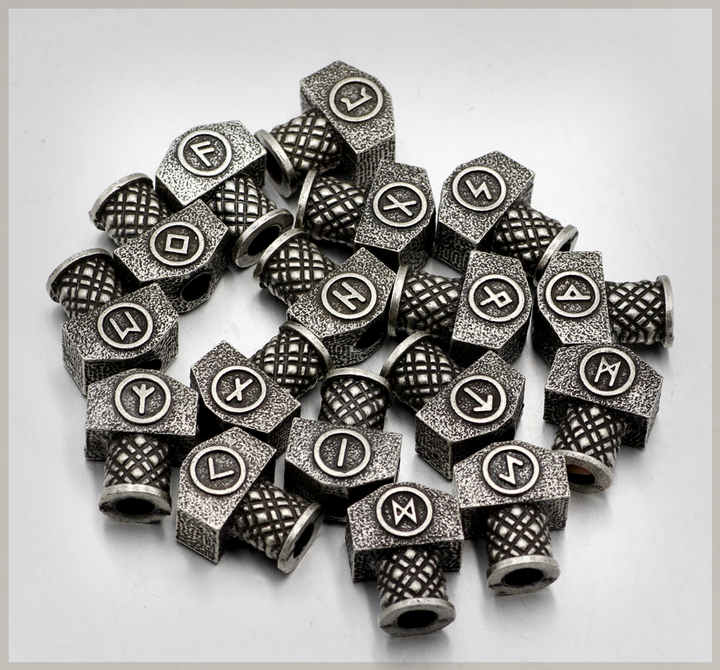
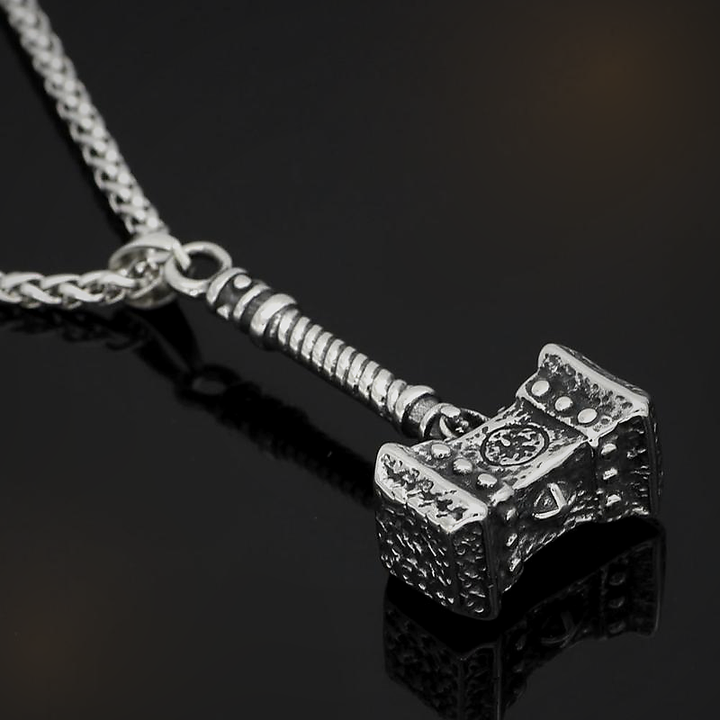
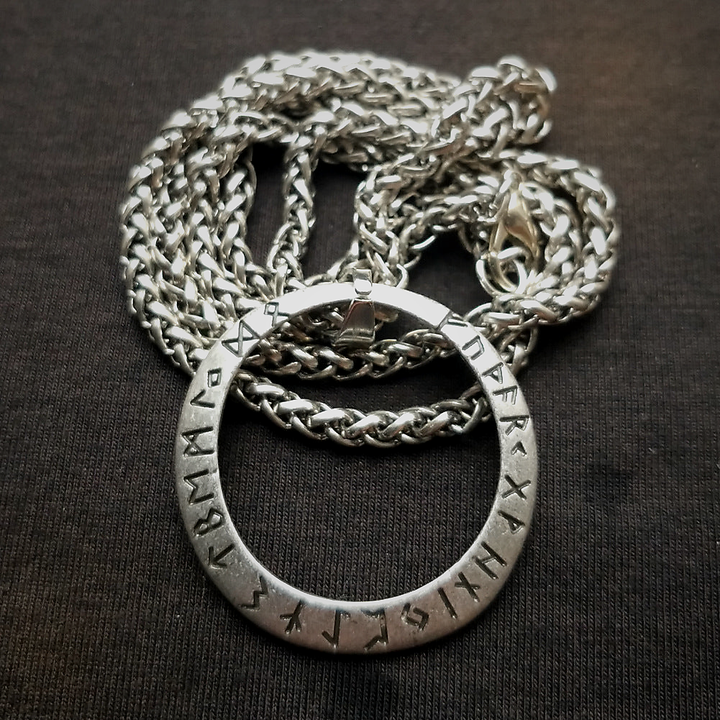
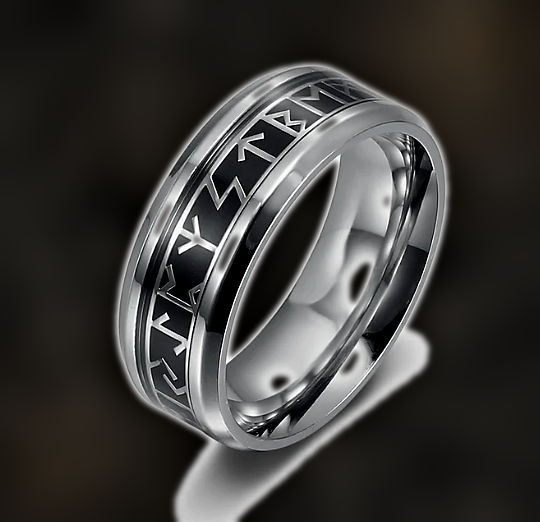
- Wearing (Talisman): Carving or engraving a rune on jewelry, stone, or wood to carry its specific energy. The Algiz rune for protection. Fehu for abundance. This is how most of Vana Soul's customers use runes — as a daily energetic anchor.
- Bind Runes (Combined Intention): Two to five runes merged into a single symbol for a specific purpose. A bind rune is uniquely personal, created for a precise intention. Learn how to create bind runes →
Runes vs. Tarot: A Key Difference
Runes and tarot are both divination systems, but they operate differently. Tarot uses 78 illustrated cards drawn in sequence. Runes are physical objects — typically stone, bone, or wood — that are cast (thrown) or drawn from a bag. The physical act of casting is central to rune practice; there is no equivalent in tarot.
Rune reversals (when a rune appears upside down) are also optional in Elder Futhark practice — many traditional practitioners read runes upright only. In tarot, reversals are standard.
Start Your Rune Journey
The best way to begin with runes is to choose one that resonates with your current intention — then carry it with you. Let it become a physical reminder of what you are moving toward.
Related: The Three Aettir Explained · Bind Runes Guide · Rune Library (All 24 Runes)